Sense

Sense gloves enable junior surgeons to smoothly transition from theoretical learning to practical application. Through precise motion tracking and rich tactile feedback, the gloves provide an authentic feel of different surgical scenarios. With Sense, junior surgeons are equipped to hone their skills and build confidence within a safe, virtual environment.
Industrial Design | Product Design
Rhino | Grasshopper | KeyShot
2024
Project Type
Tools
Year
Problem
Surgery is one of the two specialties most affected by the lack of NHS training posts, with every surgery specialty post now having over 4 applicants. Resultingly, more trainees are ‘stuck’ in the system. This derails career paths, whilst contributing to consultant shortages and increasing waiting lists
Solution
The NHS needs to explore new ways to expand the number of training opportunities available to medical graduates. Sense are haptic gloves that provide realistic tactile feedback to replicate the experience of various surgical procedures in a virtual training environment.
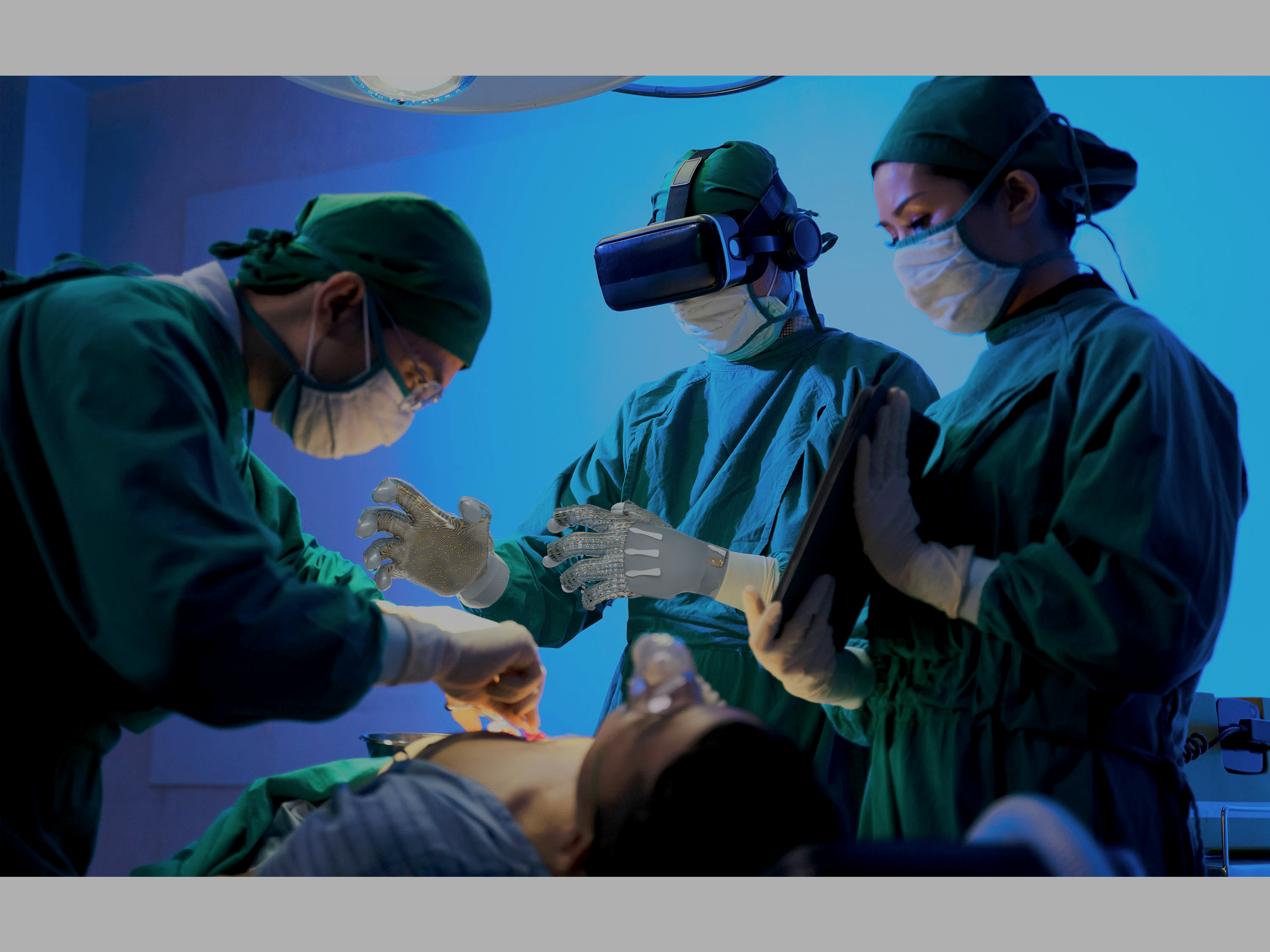
HELPING TOMORROW’S SURGEONS PREPARE TODAY
Pain Points
Training Access
Limited access to operating theatres (61% of trainees affected)
Inability to participate in all the surgeries related to their course
Not enough dedicated training time
Need to keep operation times short
Stability
Lack of work–life balance
Long commutes
Frequent job changes create a lack on continuity in their personal life and leads to inconsistent guidance & feedback
Difficulty relocating due to rigid transfer systems
How might we?
HMW create a flexible surgical training system that can adapt to the increasing number of trainees?
HMW ensure that trainees, regardless of location, receive the same level of practical experience?
HMW improve accessibility in surgical training to better accommodate work-life balance?
HMW better prepare trainees for high pressure situations in the operating theatre?
HMW support individual learning speeds without compromising patient care?
HMW ensure that trainees receive adequate access to operating theatres?
Created with a focus on
minimalist and speculative design.
Concept Ideation
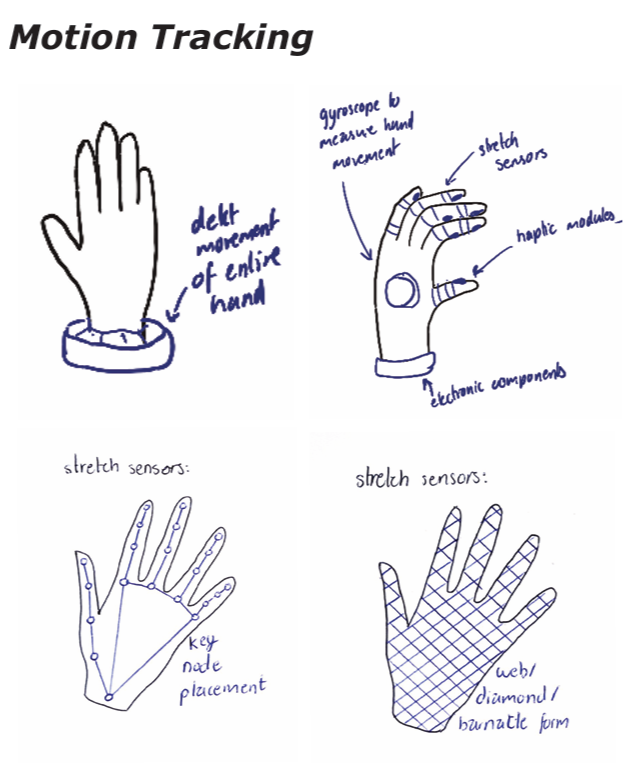
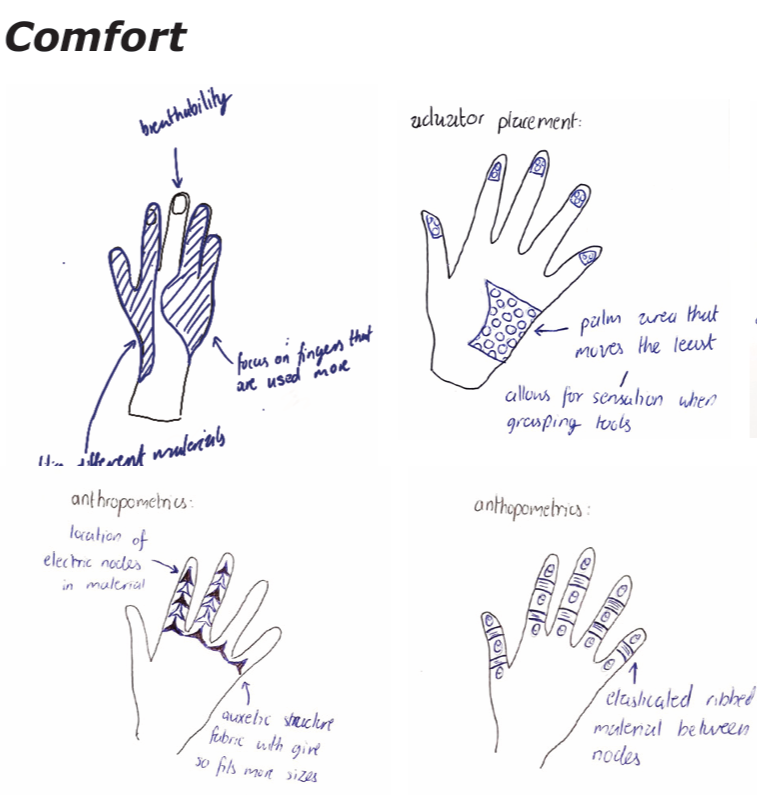
Rapid Prototyping
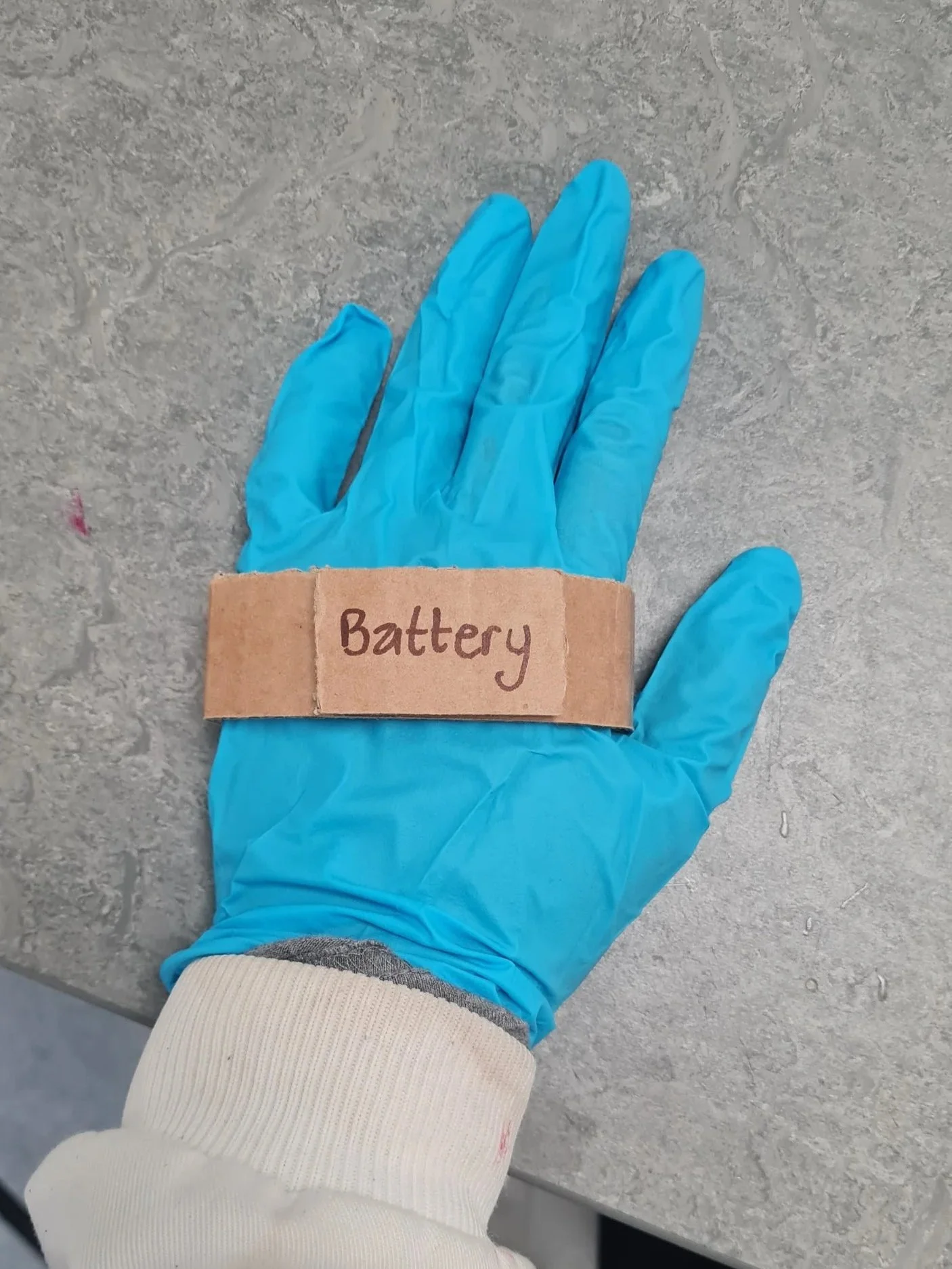
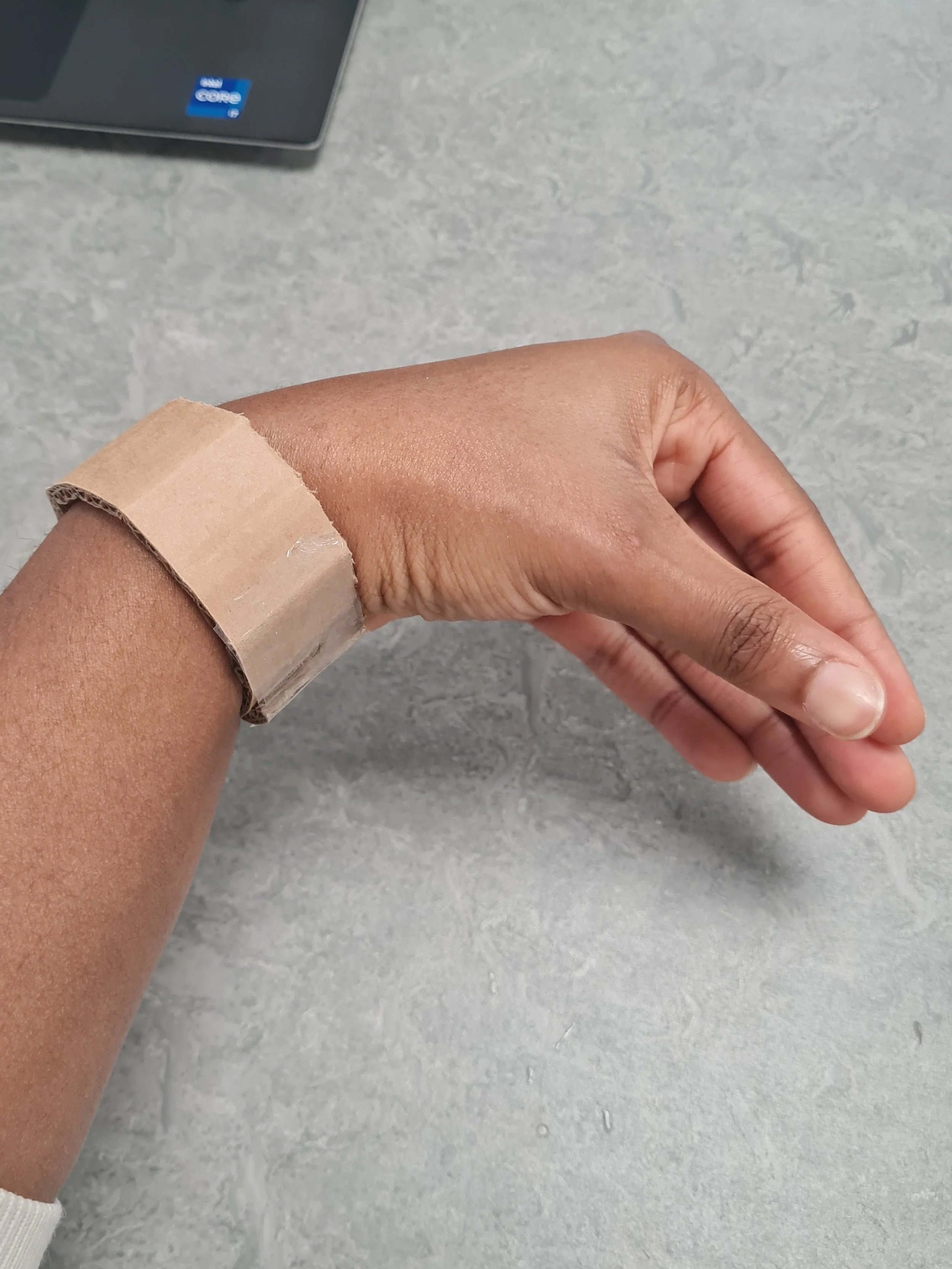
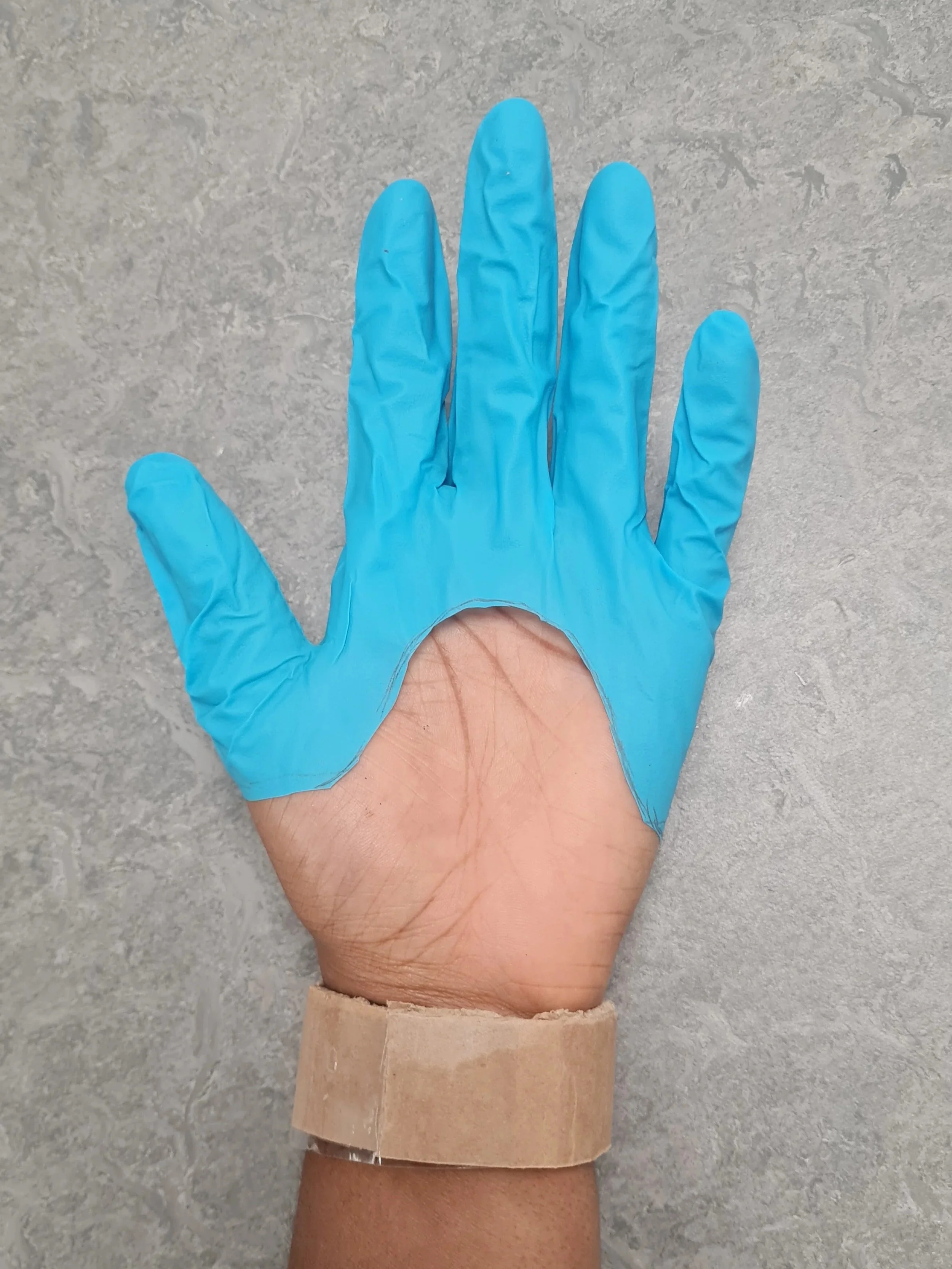
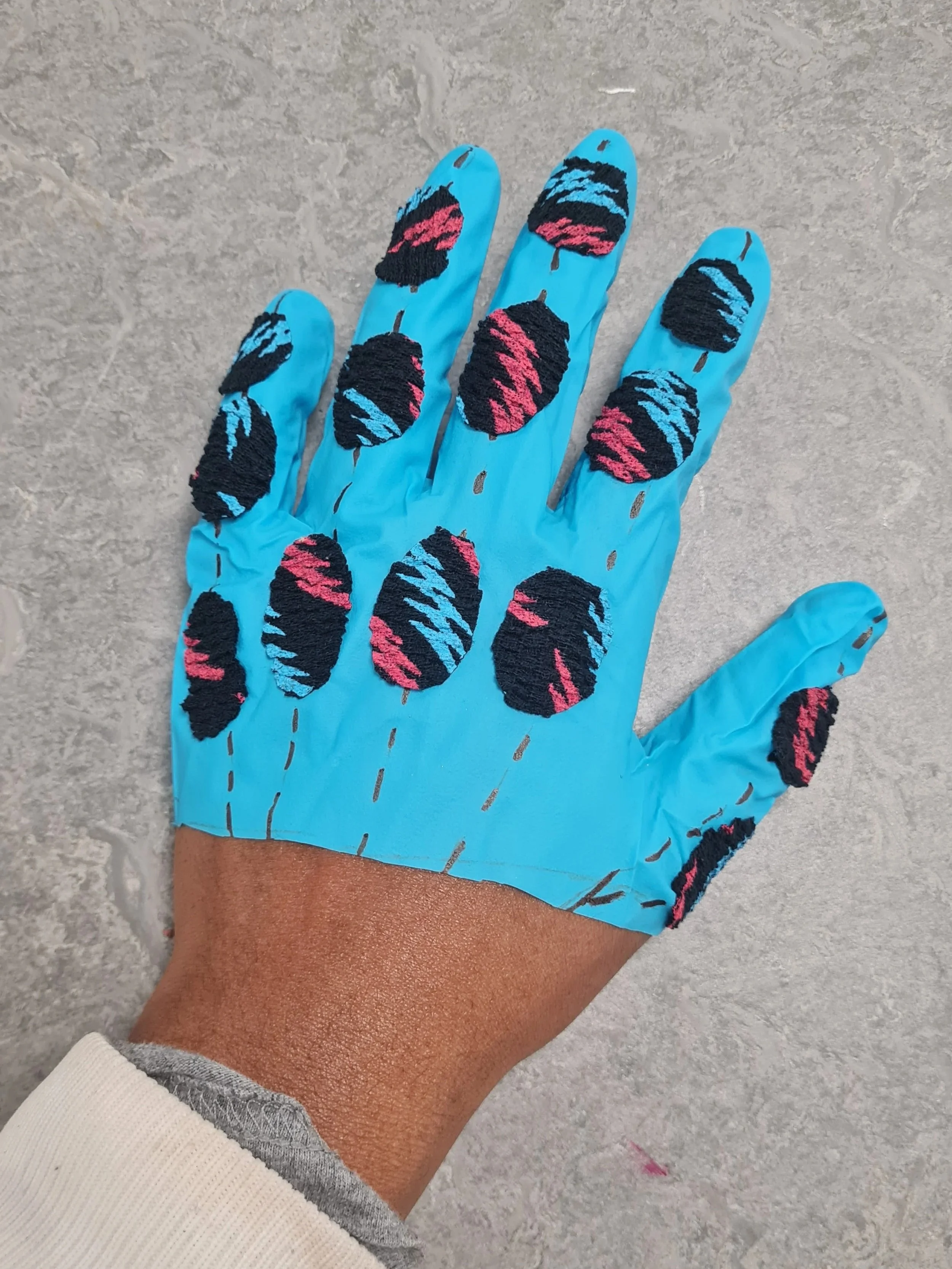
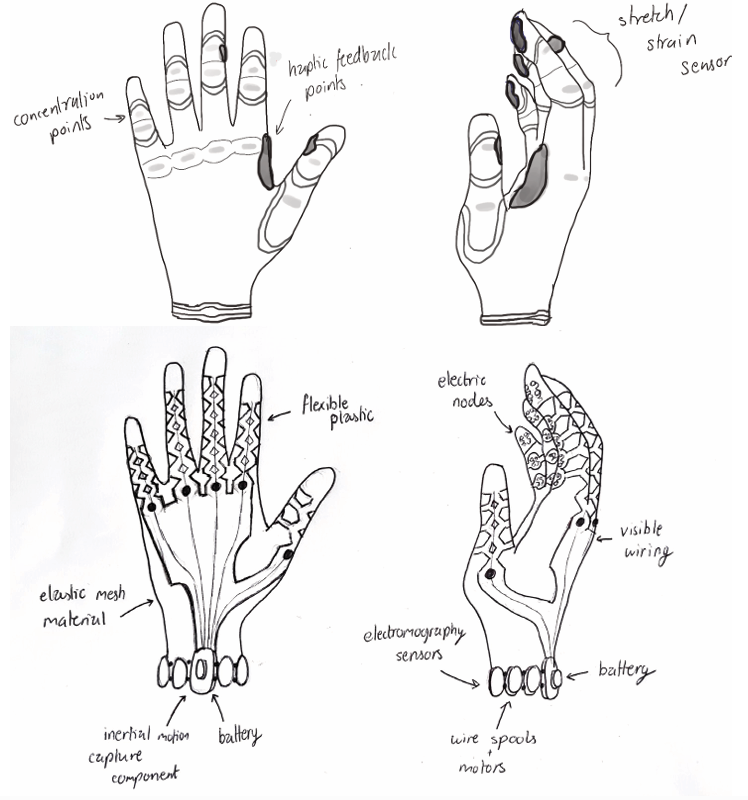
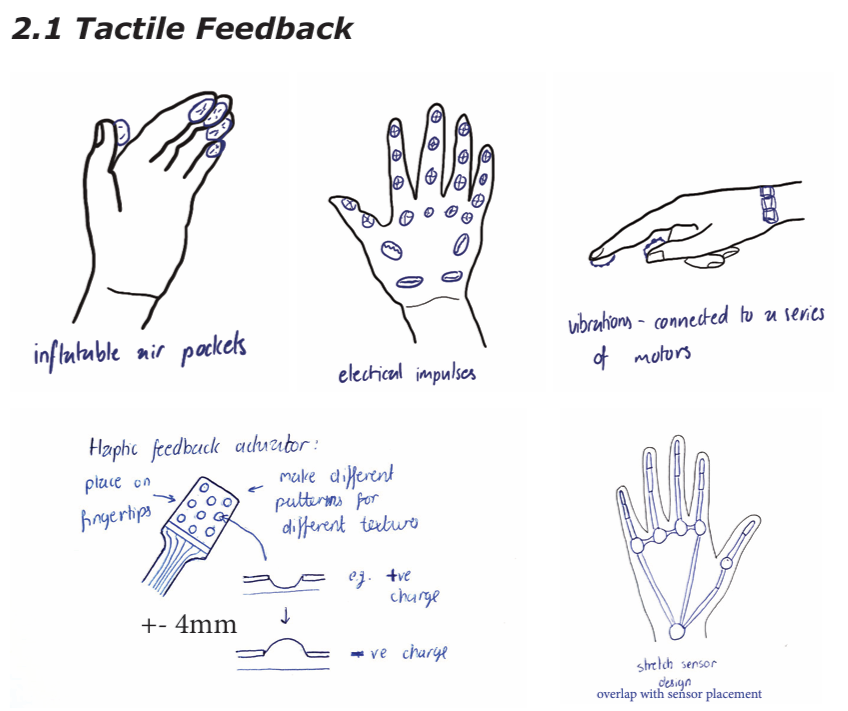
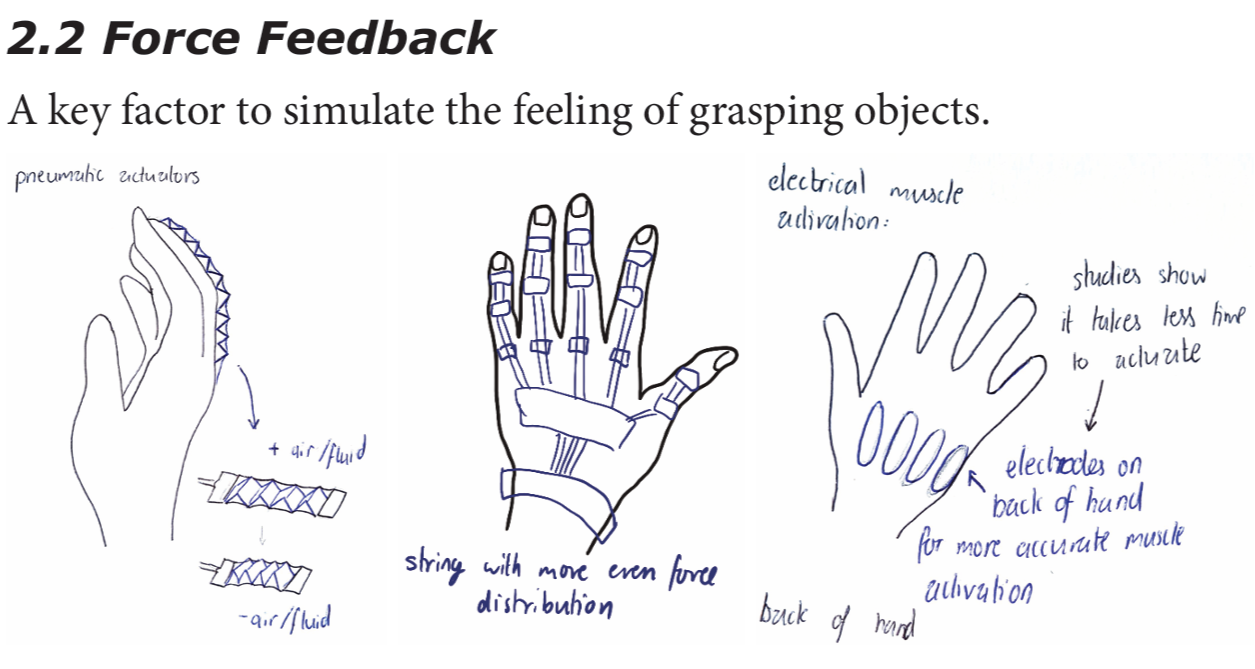
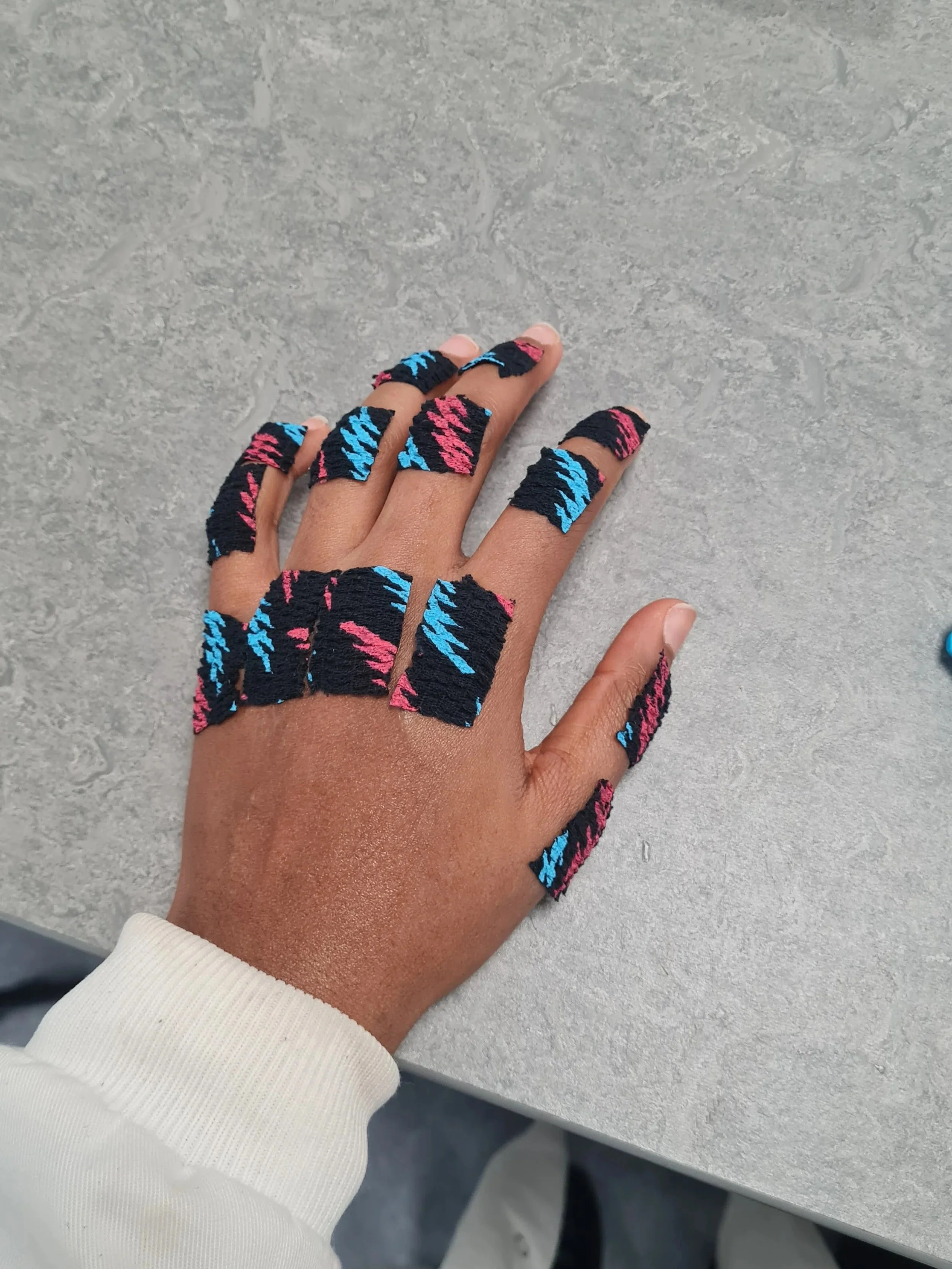
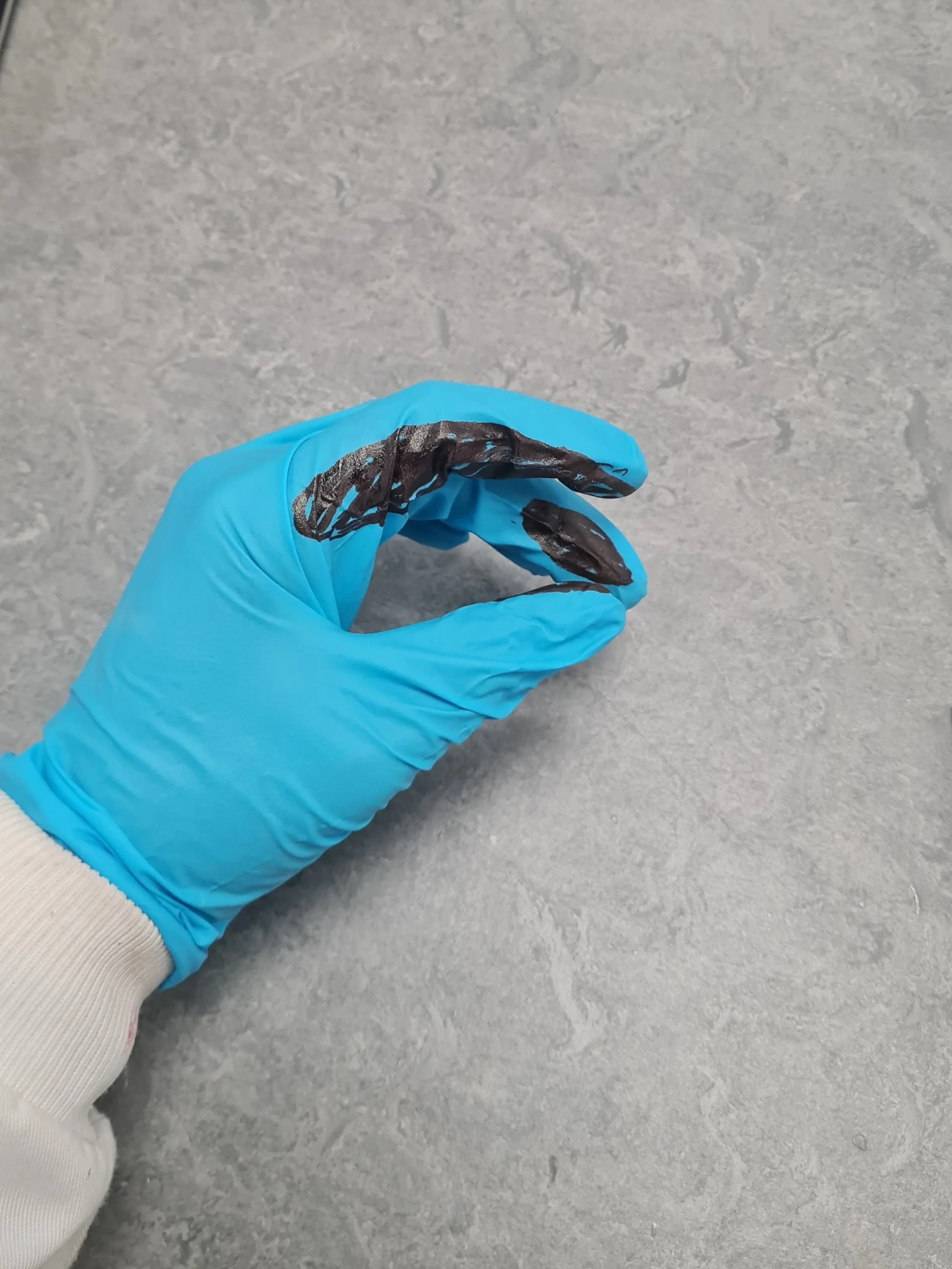
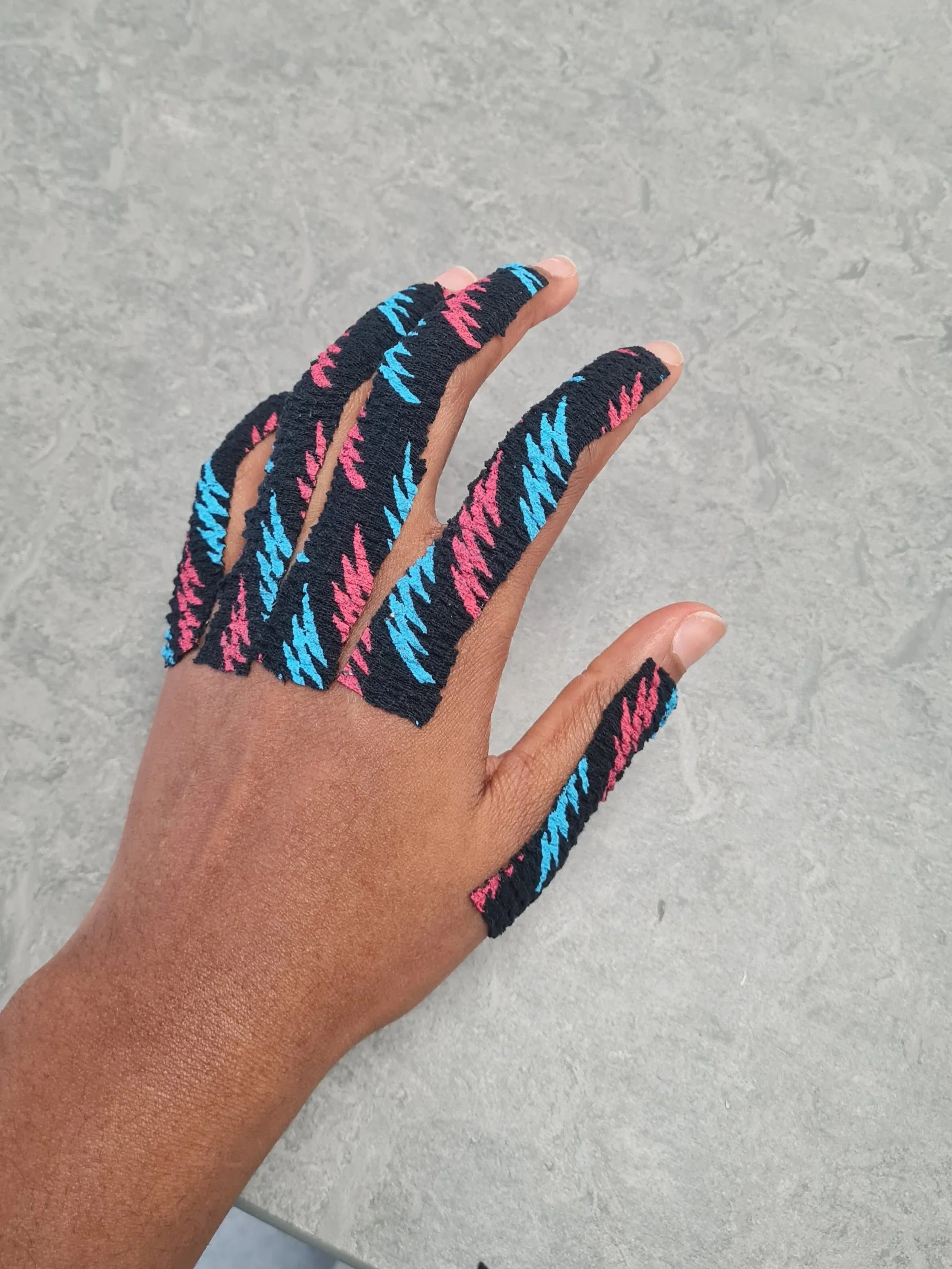
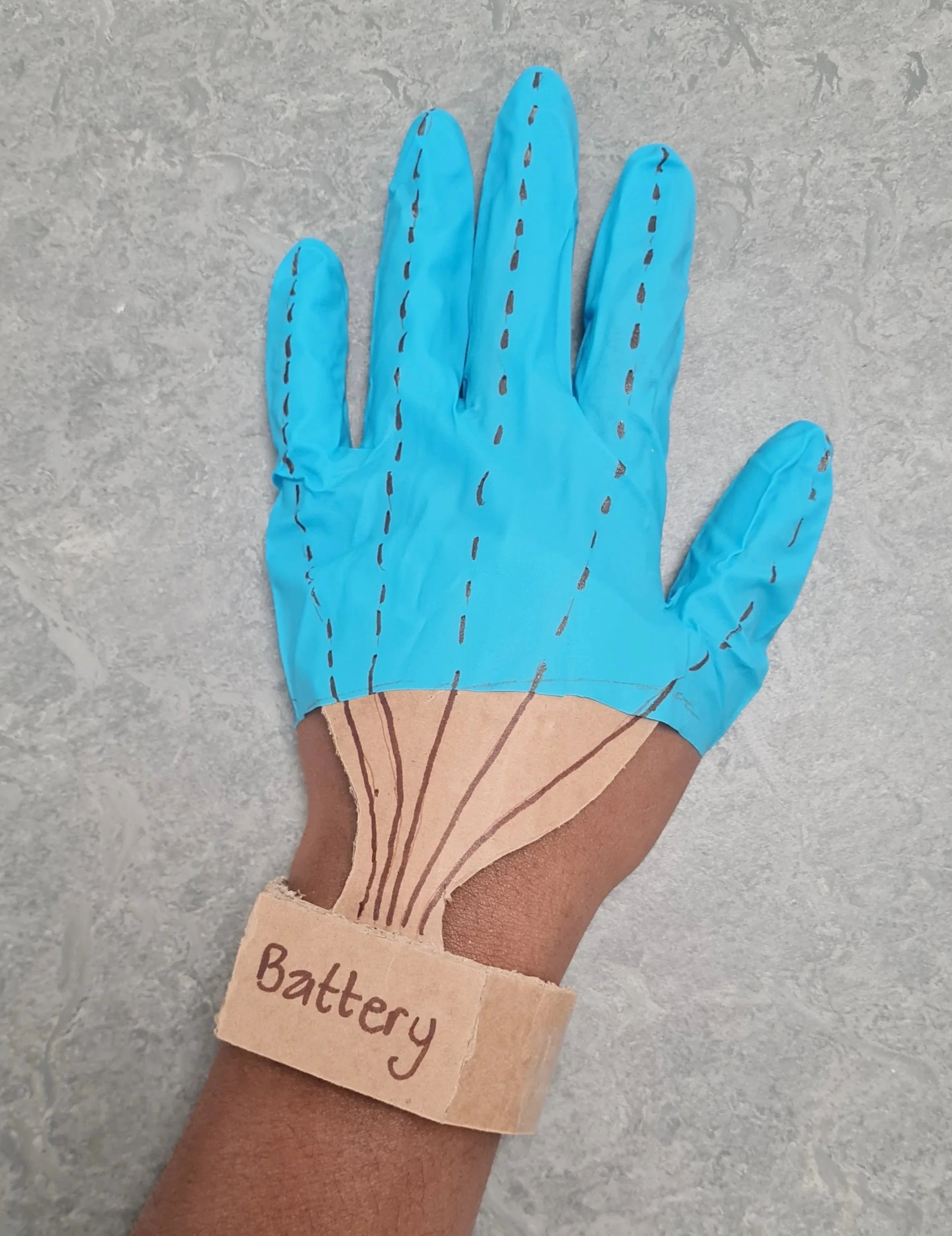
Rapid prototyping was conducted to test ideas generated during the concept ideation stage, with a focus on exploring the overall form as well as the placement of sensors, wiring, and battery components. Key considerations included anthropometrics, flexibility, and breathability to ensure user comfort and functional integration. Insights from this process included improved understanding of optimal component positioning, the need for flexible routing of wires to accommodate movement, and the importance of breathable materials in areas of prolonged skin contact.
Components
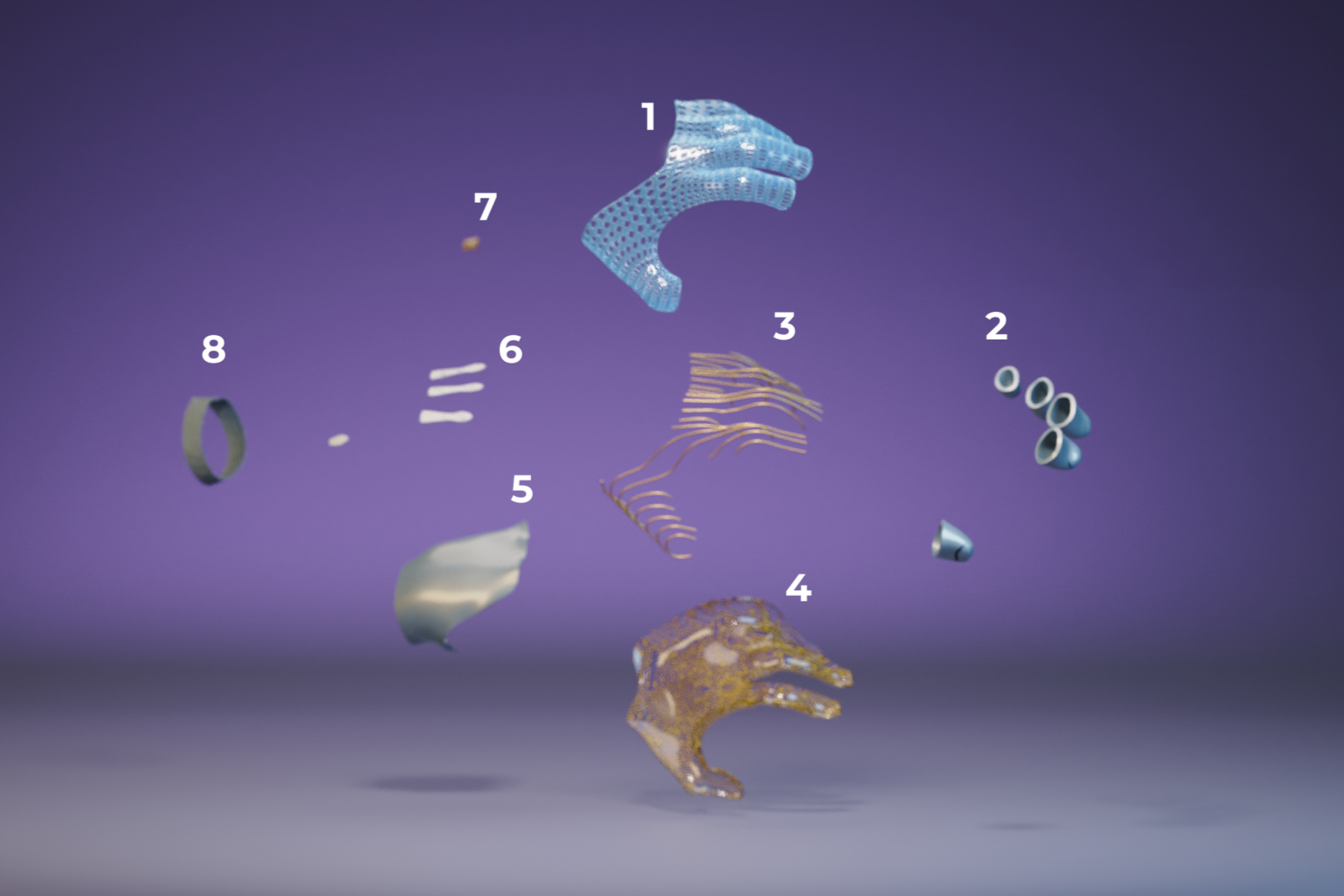
In comparison to haptic gloves in the market, Sense gloves offer a second skin feel through the utilisation of: electronic textiles, highly sensitive electromyography (EMG) sensors placed to track minute finger movements, and a series of electrodes encased in hydrogel that provide tactile feedback via electrical impulses.
1- Mesh Panel
2- Finger Caps
3- Wires
4- Conductive Hydrogel
5- Wire Guide
6- EMG Sensors
7- Inertial Sensor
8- Wristband
Colours, Material, Finishes (CMF)
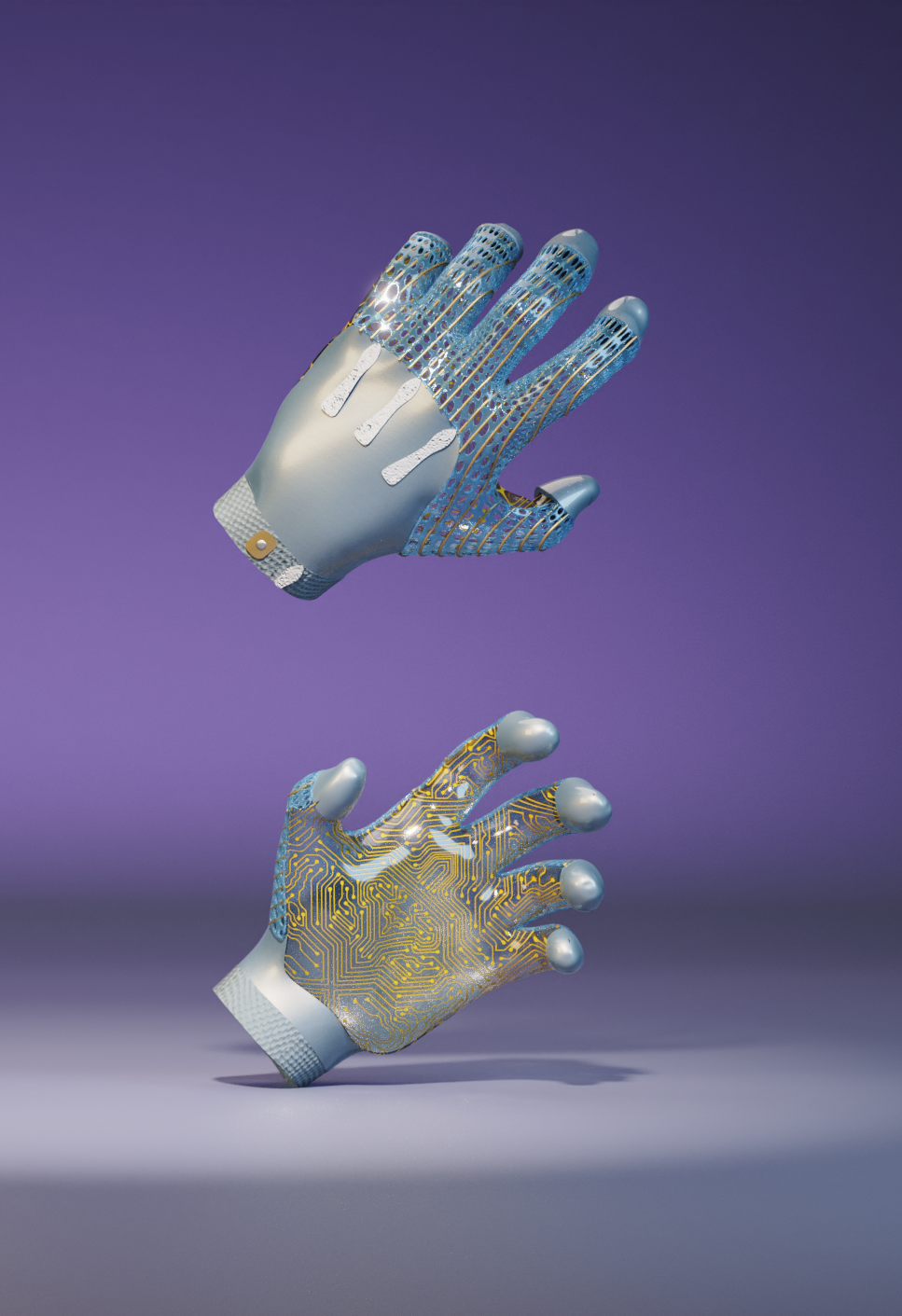
In adherence to minimalist and speculative design principles, Sense gloves balance form and function by making decorative use of the utilised technology.
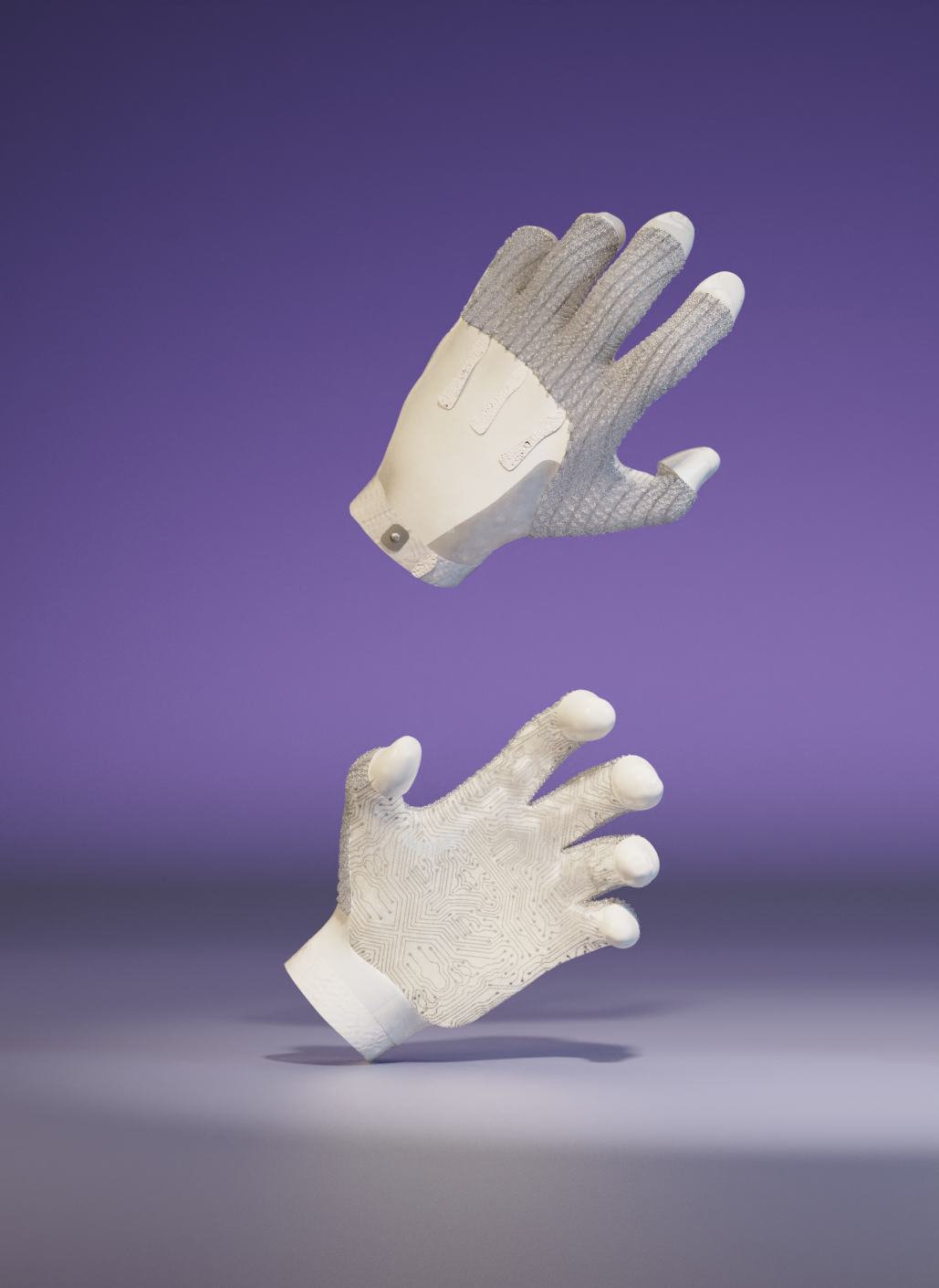

Silver-grey, blue, and brass were chosen as the main colours to visually indicate that Sense is a medical training tool
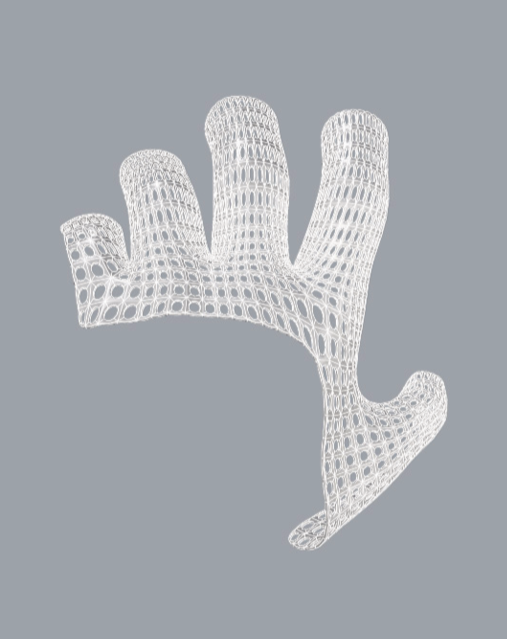
Sense are surgeons’ gloves subverted - featuring the characteristic rubber blue muted across various textures and materials. The design also features a mesh panel, created using Grasshopper, that offers users breathability and flexibility without sacrificing on functionality. The mesh acts as a lattice through which textiles wires can be woven.
Key Takeaways & Conclusions
The current Sense glove design has large aims, but further development is needed to tie the different technologies and systems in the design so they can offer a realistic simulated experience - one that takes into account tactile feedback, force feedback, and detailed hand and arm positioning. A potential consideration would be to replace EMG sensors with textile stretch sensors; that would remove the need for individual user calibration. Additionally, the limitations of current force-feedback systems highlight a clear need for sustained research investment in high-fidelity haptics, EMG sensor responsiveness, and lightweight actuation technologies.
Sense is the future of medical training - one that is accessible, offers greater stability to trainees, and creates a personalised training experience, while addressing the UK’s growing demand for surgeons. Sense’s haptic gloves, when paired with a virtual reality training environment capable of delivering complex sensory feedback, reduces the learning curve associated with complex surgical procedures by allowing trainees to learn in a risk-free, virtual environment. It is an approach that removes accessibility limitations and provides an infinite amount of training opportunities.